A finale in the heart of the Galleria
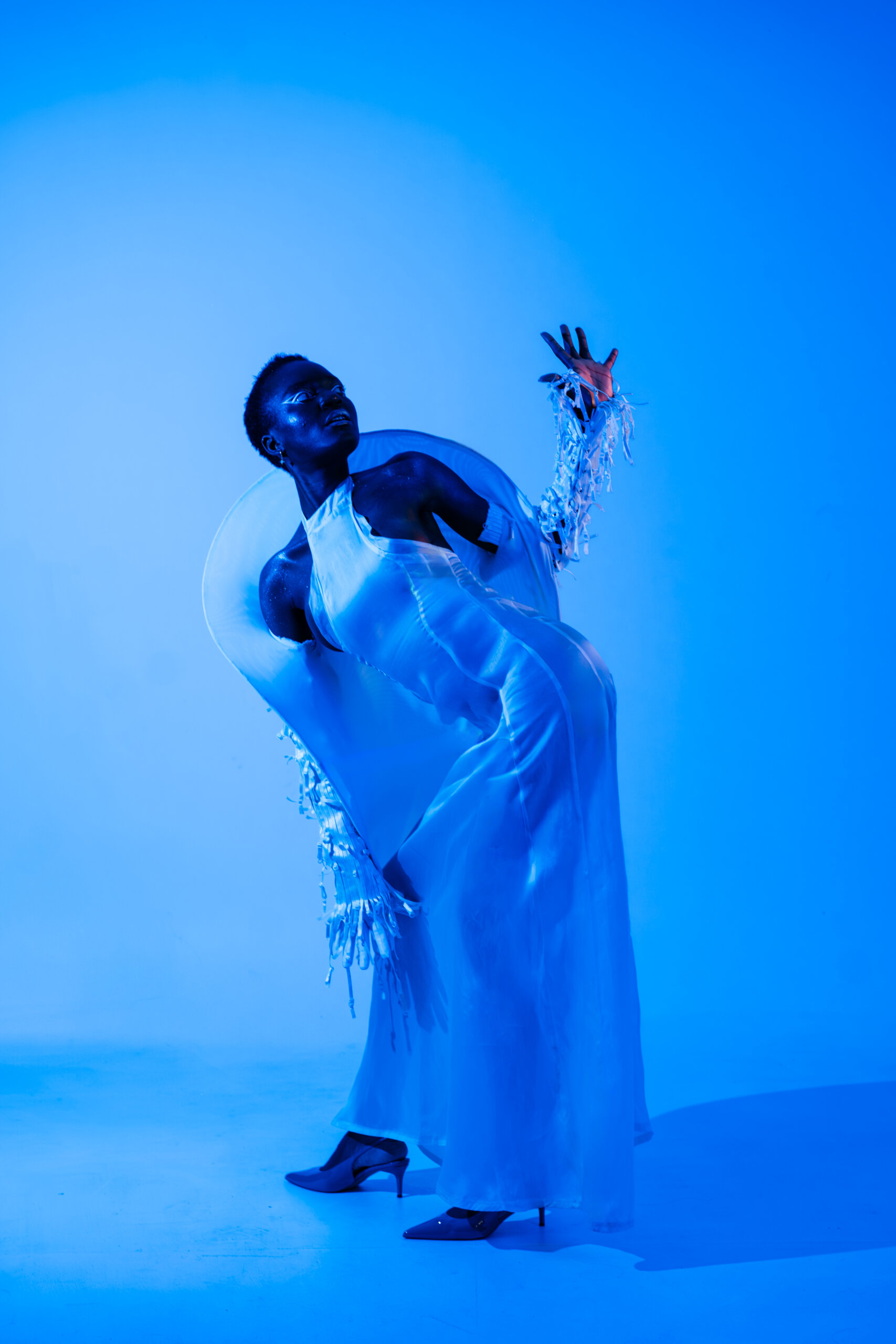
The closing moment of Vogue World: Milano was more than a concert interlude. Alicia Keys performed Donna Summer’s “I Feel Love” at a piano positioned in the centre of the Galleria Vittorio Emanuele II, surrounded by models in ethereal white dresses. The final image of an event devoted to Italian craft and contemporary creation worked at once as runway, performance and urban spectacle.
A dress designed to move with the music
Keys’s look came from Bureau of Imagination, the collaborative project of Francesco Risso and Alex Sossah. The piece was assembled from remnants of satin, chiffon, georgette and crêpe de Chine, joined with thread and beads. Boundaries between the fragments were deliberately blurred, allowing the dress to read as one continuous surface when the singer moved.
Its immense train was painted entirely by hand by Flaminia Veronesi, as though it were a canvas. That gesture gave the look its character: it did not merely decorate the body, but caught the light, swept through the space and changed shape with the rhythm. The construction felt delicate and monumental, unfinished and ceremonial at the same time.
Why the image worked
The key was that the dress was not conceived as a costume imposed on its wearer. Keys usually favours a more relaxed personal style, yet this exceptional stage piece amplified her movement and presence instead of asking her to perform a foreign character. It is a valuable lesson for both red-carpet and concert dressing: the strongest custom look does not overwhelm the artist; it enlarges the artist’s own language.
Seen from Budapest, the finale also offered a concise masterclass in turning craft into a globally legible image. Fabric remnants, hand painting, music and performance converged in one instantly recognisable moment. For designers working with smaller ateliers, that combination matters: scale can come from a clear idea and precise collaboration, not only from industrial production.
Source: Vogue. Updated 23 September 2026.