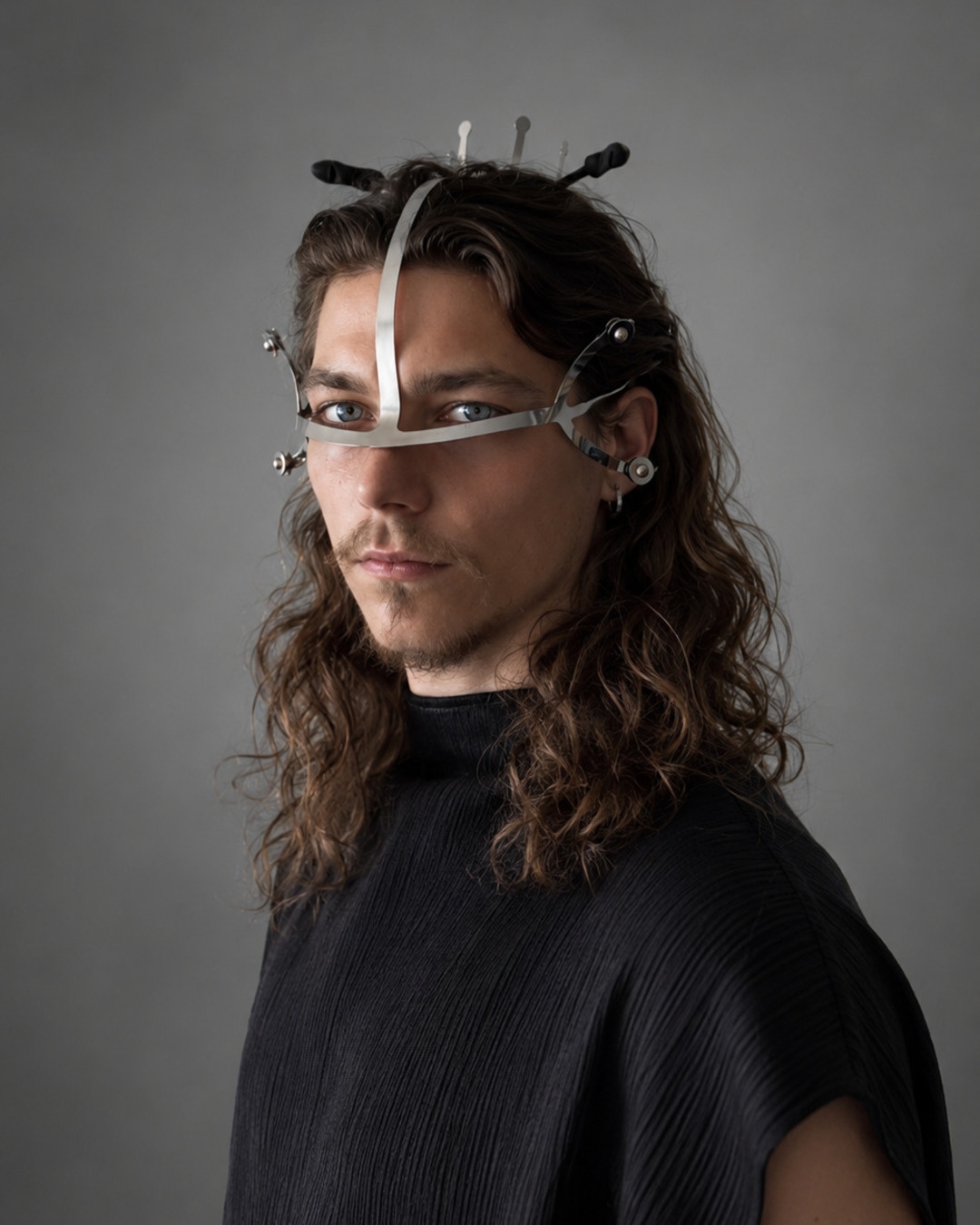
In Balatonfüred, between a villa and a modern exhibition space, clothes are not simply lined up for display. Katti Zoób Fashion & Museum proposes that fashion can hold memory: an evening dress is technique, period, gesture and personal story at once.
The idea fits Katti Zoób’s career. The label has described itself as Hungarian couture since 1994, but couture here means more than hand-applied decoration. It means slow attention: the cut follows the body, while the material gives character rather than costume.
Not an archive, but a living atelier
A museum could create distance between garment and viewer. Here, historical references, Hungarian ornament and contemporary silhouette belong to one design logic. Heritage is not quotation; it is a method.
Contemporary luxury often hurries to appear timeless. In Zoób’s world, time is visible in handwork and in the conviction that a dress should survive more than one photograph.
Why this matters now
Hungarian fashion cannot—and need not—compete with Paris or Milan on volume. Detail, local knowledge and long relationships can be genuine advantages. An atelier becomes international when it makes its own language intelligible, not when it hides its accent.
Couture is contemporary not when it tries to look young, but when it pays attention to the wearer’s present.
“Inside the Atelier” follows Hungarian makers whose garments are backed by both method and a point of view. With Katti Zoób, that view is clear: beauty is not a momentary effect, but knowledge worth preserving.
Updated 19 September 2026. Sources: Katti Zoób’s official profile; Wikimedia Commons.