In the studio: thirty two years of opposites
Katti Zoób Couture House marks its thirty second year in 2026. Since the house was founded in 1994, Kati Zoób has developed a language in which classical couture craft and contemporary use are not opposing directions. The brand calls this the harmony of opposites. Organic and geometric, luxurious and restrained, functional and theatrical elements repeatedly meet in the same collection.
The current BCEFW profile notes presentations in Paris, London, Vienna and Shanghai. Zoób's work also extends beyond seasonal fashion into theatre and film costume, textile design, art direction and large cultural concepts. The studio therefore does more than produce clothes. It turns stories into material, cut and performance.
An archive is not storage
The Harmony of Opposites anniversary work returned to earlier patterns, generous cuts, rich textiles and recognizable silhouettes. The purpose was not to copy old looks but to reorganize them for the present. An archive remains alive when a designer can define what should stay and what needs to change.
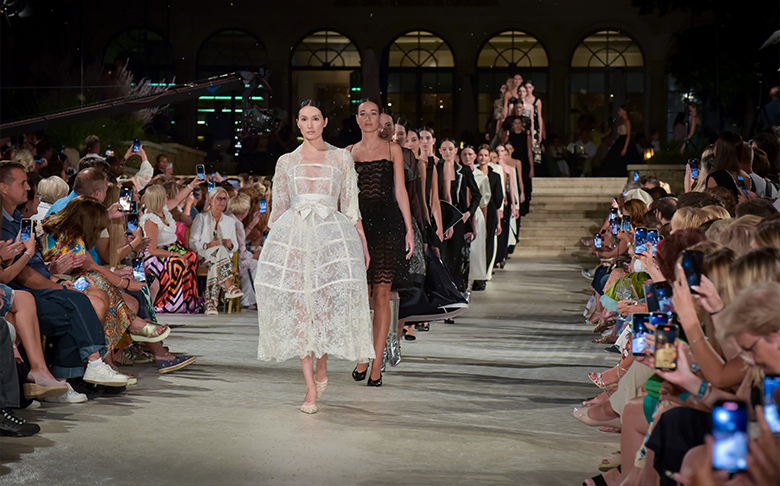
The Autumn Winter 2026 to 2027 curation follows the same method. According to BCEFW, celebrated patterns, opulent cuts, special textiles and large silhouettes are brought into a new whole. Couture hand skills sit beside modern technology. The important question is not whether a dress looks old or new, but how material, structure and execution preserve its character.
Heritage stays visible in the Katti Zoób studio when it returns to the cutting table instead of sitting under glass.
The invisible work of the studio
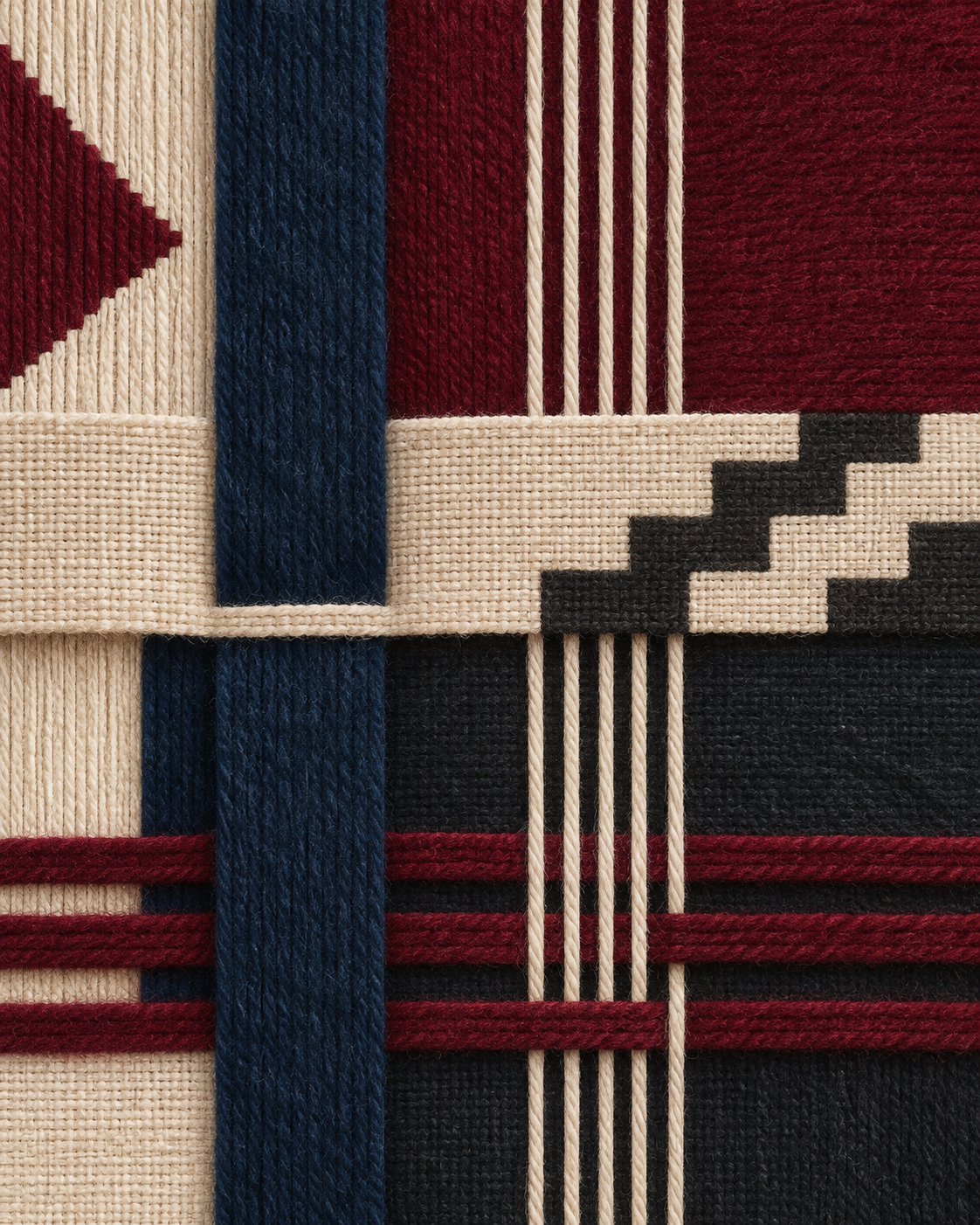
A couture dress may be seen for minutes on a runway, while most work happens earlier. A pattern is drafted, a toile is adjusted, the fall of fabric is tested, and decoration and closures are aligned with the moving body. The official Katti Zoób site thanks seamstresses, pattern cutters, designers, makeup artists, hair teams, models and photographers by name. That matters because couture authorship never belongs to one hand alone.
Studio work also raises questions of repair and long use. The value of a carefully cut, hand finished garment is not measured only at the show but also in whether it can later be altered, maintained and documented. The sources do not disclose every technical detail, so no general durability claim is made here. What is visible is the way the house treats tailoring knowledge, textiles and contributor names as part of its history.
Bézsenyi Zsolt photographed the Heritage 2025 presentation. The selected vertical image brings women of different ages, strong colours, rich patterns and varied silhouettes into one frame. It does not isolate a single dress. It shows continuity between collections and therefore fits a studio portrait.
What Hungarian fashion can learn
The story offers three practical lessons. The first is a consistent brand language. Harmony of opposites is broad enough to welcome new collections and precise enough to guide decisions. The second is documentation. Without photographs, credits, locations and collection notes, the past cannot be used responsibly. The third is a public studio culture. Audiences need to see the specialists and time behind the final image.
Young Hungarian labels often look for rapid visibility, while a thirty two year career uses another scale of time. A brand does not need to invent a completely new personality every season. New materials, forms and techniques are more convincing when they remain connected to earlier choices.
The next measure of Zoób's work will not be the anniversary number. It will be how this relationship continues. When an archival form works on a new body, in a new fabric and in a new situation, heritage becomes an active design tool rather than a closed chapter. Continuity and precise execution ultimately keep the studio alive.