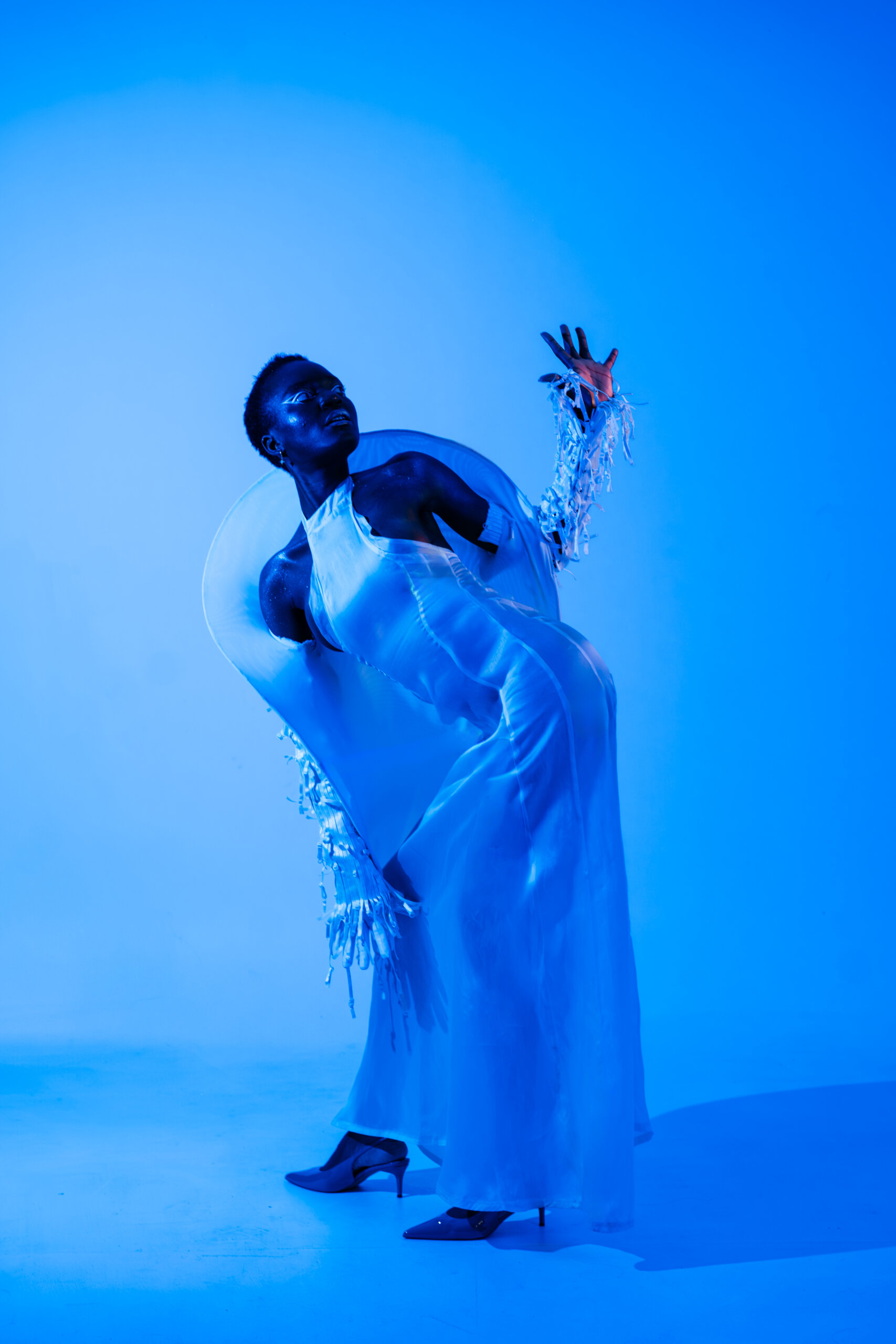
The market moved behind the runway
London Fashion Week for spring 2027 closed on 21 September with a marked rise in buyer attendance, according to figures shared by the British Fashion Council. Accredited buyers increased 19 per cent year on year, while international buyers rose 41 per cent. For London, this is a crucial signal: the city’s experimental energy is reconnecting with the commercial attention that can keep young labels alive.
The schedule comprised 47 runway shows, 23 presentations, 10 digital activations and 53 evening events. Alexander McQueen’s return to London, Christopher Kane’s new beginning at Mulberry and Marks & Spencer’s first official appearance gave the week prestige, narrative and broader public reach at the same time.
Attention beyond the industry
Research commissioned by the organisers found that 89 per cent of London adults were aware of the event, while more than four in five people aged 18 to 24 engaged with it in some form. Engagement among communities described as the “Global Majority” reached 71 per cent. These figures are not sales data, but they suggest that fashion week has grown beyond a closed trade circle into a cultural event.
The lesson for Budapest is not to imitate London. It is to recognise that the creative programme, buyer infrastructure and city audience belong to the same edited experience. A runway show creates the image; professional meetings, orders and public participation turn it into an ecosystem.
Updated 22 September 2026. Source: FashionNetwork.com, citing figures released by the British Fashion Council.